Photos of Mr. Falvo: Riana Piccirillo
Photo of Mr. Smith from his Linkdin profile
Graphic and editing provided by Jeffrey Hoffman
Despite medical cannabis being legal in New York, significant gaps remain in education, access, and affordability. Many healthcare professionals receive little to no formal training on the endocannabinoid system, leaving patients without proper guidance on cannabis-based treatments. At the same time, patients who rely on medical cannabis struggle with affordability, as insurance programs do not cover it.
Three proposed bills seek to address these critical issues—one by creating a cannabis and endocannabinoid awareness program in the state, another by expanding insurance coverage by New York State-funded health insurance programs, and another to repeal the excise tax on medical cannabis and the medical cannabis trust fund . If passed, these reforms could help reduce stigma, improve patient care, and ensure equitable and affordable access to treatment.

Frank Falvo, a pharmacist with over 30 years of experience, spent three years working part time at Vireo Health as a medical cannabis pharmacist. In February 2024, he left his position when the expansion at Vireo Health was halted and gaining full-time employment at a medical cannabis facility was no longer an option due to a sharp decline in medical cannabis patients. The legalization of adult-use cannabis in New York, combined with the lack of insurance coverage for medical cannabis, led many patients to seek more readily available alternatives from adult-use dispensaries, or even the legacy market—where professional medical guidance is not required.
“A patient must see a physician to be certified for medical cannabis, therefore it is a medically recommended treatment and should be covered by state-funded insurance,” Falvo explains. Without coverage, patients must either pay out-of-pocket for expert-driven care or rely on non-medical alternatives, often without any professional oversight.

The consequences of this shift extend beyond affordability. Medical dispensaries, which once played a crucial role in ensuring patients received the right products for their conditions, are disappearing. “There were originally 40 medical dispensaries in New York; now we’re down to about 30 in a state with 18 million people,” Falvo points out. For rural patients, this means access is becoming even more difficult.
Falvo also stresses the urgent need for healthcare professionals to be educated on the endocannabinoid system. “Cannabis is legal, and healthcare professionals need to be educated about its medical uses, drug interactions, and adverse effects,” he says. Cannabinoids like CBD and CBG have helped patients reduce prescription medications, improve bloodwork, and balance metabolism, but stigma and lack of education continue to be barriers within the medical community.
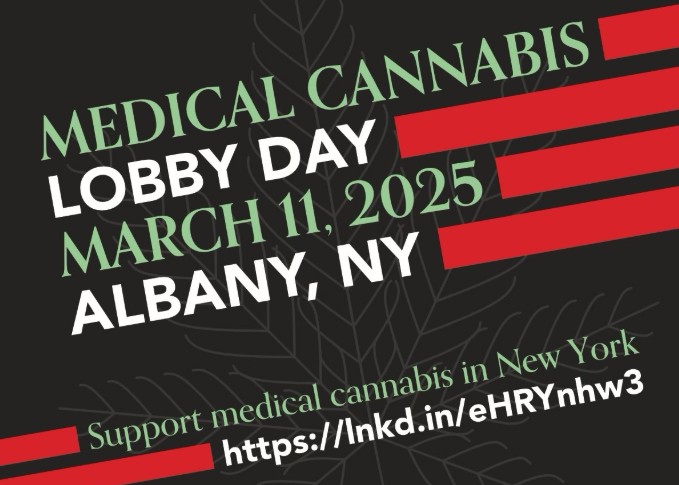
With March 11th designated as Medical Cannabis Lobby Day in Albany, Falvo and other advocates such as longtime cannabis advocate and attorney Jeffrey Hoffman are organizing a rally at the Capitol to push lawmakers to support these crucial reforms.
New York’s current cannabis regulations also put both patients and dispensary staff at risk. Without insurance coverage, many patients are forced to purchase their medicine from adult-use dispensaries that do not require medically trained staff to be available. This creates a dangerous gap in patient care, as budtenders—who may be well-versed in product types but lack medical training—are left to guide customers with serious health conditions.
The risks associated with this practice are not just theoretical. In Portland, Oregon, a man filed a lawsuit against the dispensary Arcanna after allegedly receiving improper advice from a budtender. The individual, inexperienced with cannabis use, claimed that a recommendation for an excessively potent product led to an overdose and subsequent hospitalization. This case highlights the dangers of allowing non-medical professionals to guide patients who require precise dosing and product selection.
To protect both patients and dispensary staff, New York must ensure medical cannabis remains within a regulated, professional healthcare framework—which means making it financially accessible through insurance coverage.
One of the biggest challenges for medical cannabis patients in New York is the lack of insurance coverage, forcing them to either pay out-of-pocket or turn to adult-use dispensaries. However, there is a viable solution that could bridge this gap: integrating the Tetragram app into New York’s healthcare system.
Tetragram, a HIPAA-compliant mobile app founded by Otha Smith III, is already being implemented in Colorado as part of a groundbreaking state-funded reimbursement program. The initiative allows medical cannabis patients to receive up to $350 per month to purchase cannabis for their specific medical conditions. Unlike adult-use cannabis, this program ensures that patients receive proper medical guidance, as only edibles, tinctures, and topicals are eligible for reimbursement, and all purchases require a state-licensed medical doctor’s recommendation
.

Smith explained how the system works:
“Patients show their digital recommendation to a dispensary staff member, purchase the product, and upload photos of the product and receipt directly through the app for doctor review and approval. Plus, patients are reimbursed for their mileage to and from the dispensary.”
By providing a seamless verification process for insurance agencies, Tetragram ensures that patients receive timely and hassle-free reimbursements. If New York were to adopt a similar model, state-funded health plans could help alleviate the financial burden on medical cannabis patients while maintaining oversight on treatment efficacy.
New York could replicate Colorado’s success by working with Tetragram to integrate this reimbursement model into its healthcare infrastructure. The system would allow physicians to issue digital recommendations, dispensaries to validate medical purchases, patients to upload receipts for fast reimbursement, and insurance agencies to track and approve claims efficiently.
This system would provide relief to patients who rely on cannabis for their medical conditions while also stabilizing New York’s medical cannabis industry. It would bring patients back to medical dispensaries, keep pharmacists employed, and ensure safe, guided cannabis use.
As New York lawmakers consider these cannabis reform bills, incorporating a system like Tetragram could be the key to making medical cannabis both accessible and financially feasible for patients in need.
The fight for medical cannabis reform in New York is about more than just legal access—it’s about ensuring patients receive the medical oversight, affordability, and education they deserve. Without insurance coverage, patients will continue to turn to adult-use dispensaries, placing both themselves and budtenders at risk. The situation is exacerbated even further by patients being forced to pay the excise tax which can drive them to the legacy market where products aren’t tested and patients may not know what their getting in order to be able to afford their medicine. Without education, healthcare professionals will remain unprepared to integrate cannabis medicine into their practice.
As the March 11th Medical Cannabis Lobby Day approaches, advocates, healthcare professionals, and patients alike must urge lawmakers to pass these crucial bills. With the right policies in place—including a state-funded reimbursement system like Tetragram—New York has the opportunity to set a national precedent for patient-centered cannabis care.
If you’d like to help you can sign-up here and also keep updated on the latest information. Please take a moment to reach out to your elected officials and tell them what issues you support. You can find out who your local officials are here and here.