A great film is the seamless intersection of many technical and artistic elements. Each piece must work in harmony for the whole to succeed. Strong acting, cinematography, writing, production design, and music—along with many other details—must align perfectly for a film to be successful. The sets must be meticulously designed, the camera work must be carefully considered, and the story must be original, clever, and perfectly paced. The actors must be believable and authentic, naturally drawing you into the world.
There is a unique power in the alignment of these cinematic components. It’s a moment we’ve all experienced – fully invested in the story, on the edge of our seats. Then, in the perfect climax, the music cue hits and we are suddenly fully immersed in the moment and the emotionality of what’s unfolding on screen. These moments are unforgettable. It’s a moving, multi-sensory experience that is unlike anything else – these cinematic moments are at the heart of our love for movies. A well-placed score can send shivers down your spine, make the hair on your neck stand up, or even bring tears to your eyes. Cinema reflects life, yet in these moments, it feels larger than life.
A well-crafted musical score is like the icing on a cake. The cake is the main course, but it’s hard to imagine a cake without the icing. Movie scores are similar. It’s impossible to envision watching your favorite films without the music. Whether it’s a soundtrack or a score, it’s integral and serves as the heart and soul of the film. Imagine the bike riding scene in E.T. without John Williams’ genius score – it would completely change the emotional weight of the moment. Sometimes, a film score operates in the background, subtly enhancing the mood. Other times, it takes center stage, building to a powerful crescendo in the film’s most pivotal moment. Either way, it becomes almost as important as a character in the film itself.
The best film composers don’t just write music; they interpret emotion and translate it through the lens of an orchestra. Their work can be soft, delicate, bold or aggressive, but true masters know how to strike the perfect balance. Think about Jaws—just two simple notes, BAH-DUM, and an entire generation learned to fear the water. It’s not about complexity; it’s about serving the story. A great score doesn’t compete with the film—it complements it, enhancing the experience.
Hans Zimmer is one of the most influential and successful film composers ever. Beginning his career in the late ’70s, he has scored over 150 films, from blockbusters to intimate dramas, creating some of the most iconic and recognizable music in movie history. He helped pave the way for a new era of film scoring that mixes traditional orchestral arrangements with synthesizers and electronic music. This fusion makes his scores feel both familiar and classic while also being modern and new.
In 1994, he won the Academy Award for Best Original Score for The Lion King. His other notable works include Inception, The Dark Knight Trilogy, Gladiator, Pirates of the Caribbean, Dune, and Interstellar.
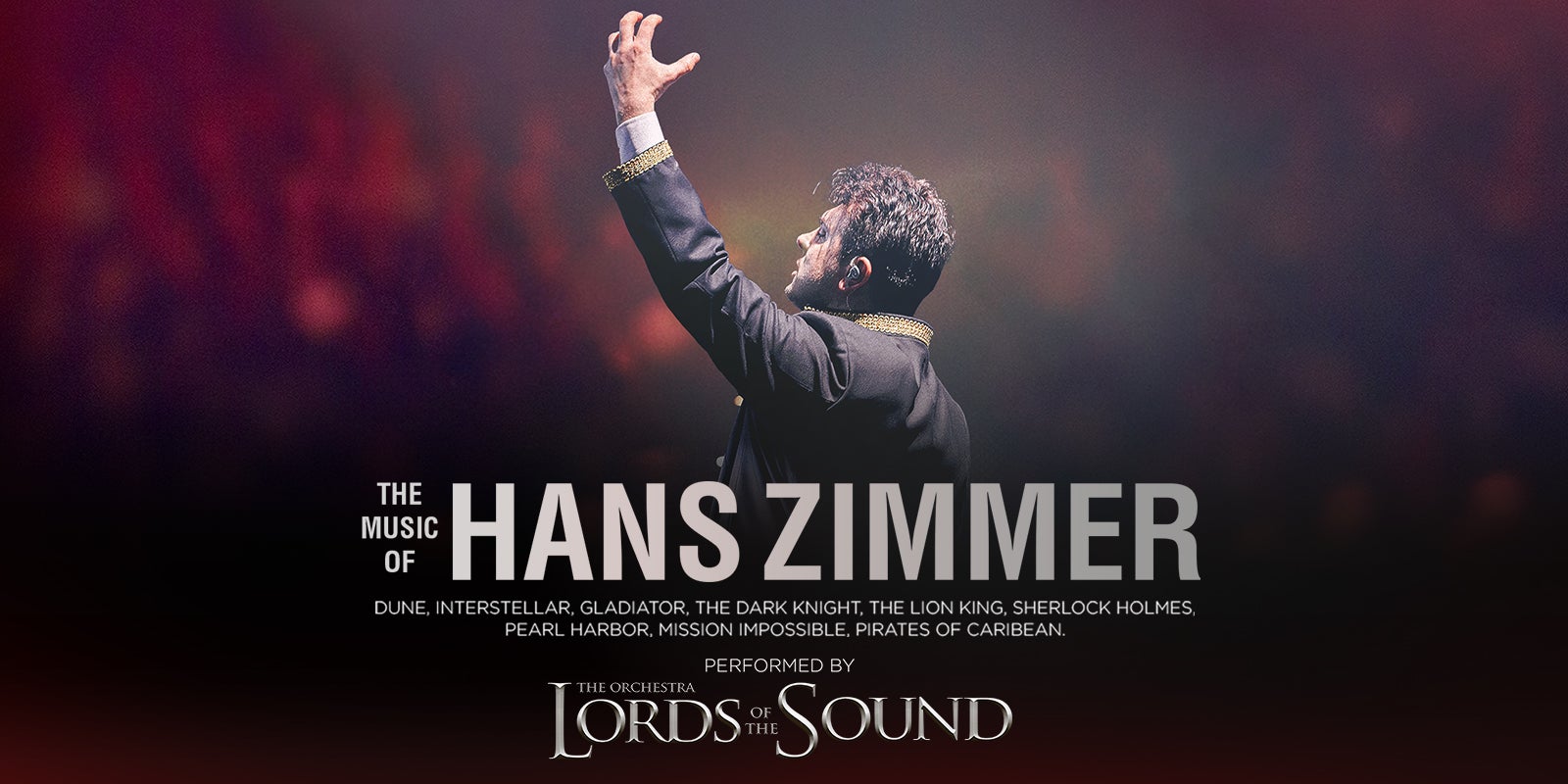
Hans Zimmer will not be in attendance, but on March 7th at the Palace Theatre in Albany, you have a rare chance to experience his music live. The renowned Ukrainian symphony orchestra Lords of the Sound is touring in the U.S. for the first time ever and will be playing choice selections from the Zimmer catalogue! The show starts at 7 pm, and you can get tickets HERE.
This is a great introduction to the world of classical music. You may love movies, but not Mozart—this concert lets you enjoy a talented orchestra performing iconic themes from your favorite films. These pieces are so closely tied to unforgettable movie moments that you’ll almost be able to see the scenes play out in your mind as the orchestra performs.
To get you hyped for the event, I figured I would include a few of my favorite Hans pieces below: